A Food Lover’s Guide to Street Markets in Marrakech
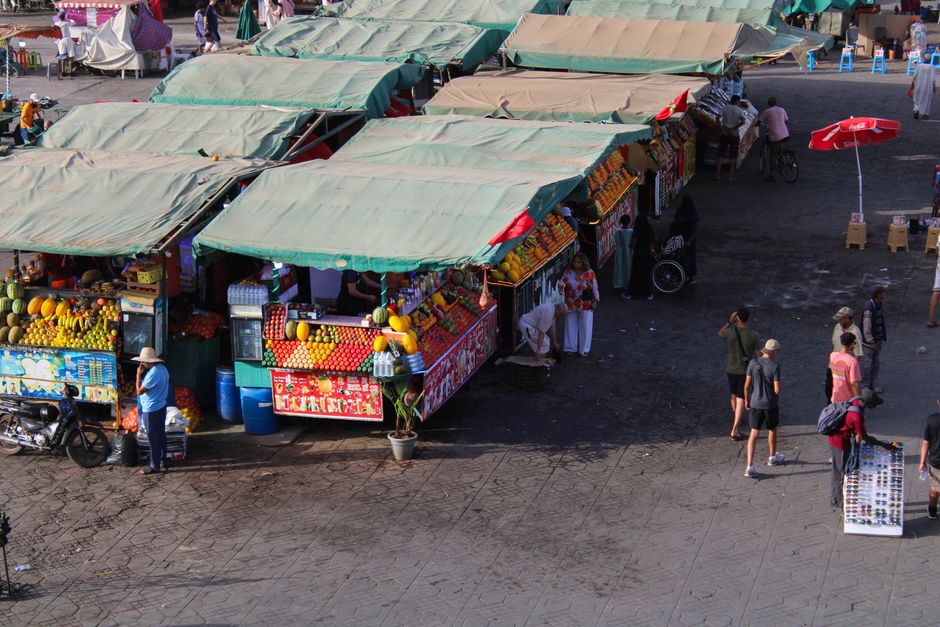
Marrakech’s medina is a sensory whirlwind, and nowhere is this more apparent than its street markets. The souks, a labyrinth of narrow alleyways, have been the heart of commerce for centuries. For a food lover, these markets offer an immersive journey into the aromas, colors, and textures of Moroccan cuisine. The experience begins even before reaching a stall: the air carries notes of cumin, saffron, and grilled meat, mingling with the chatter of vendors and the occasional call of a donkey cart. This is not merely a shopping trip but an exploration of a living tradition where food is both a daily necessity and an art form.
The markets are organized loosely by trade, with spice merchants clustered in one area, butchers in another, and prepared food stalls scattered throughout. Visitors quickly learn that the boundaries between a spice shop and a street-food stand are fluid. Many stalls offer both raw ingredients and ready-to-eat snacks. A stop at a spice stall might lead to a taste of freshly roasted nuts, while a grilled-meat vendor might point you toward a neighboring baker for bread to accompany the meal. The informal network of vendors creates a sense of community, and even first-time visitors often find themselves drawn into conversations about the origin of a particular spice or the best way to prepare a tagine.
This guide provides an overview of the key elements of Marrakech’s street markets from a culinary perspective. It explains how to approach the spice stalls, what to look for among the grilled delicacies, and how the process of negotiating fits into the overall market culture. Whether you are a seasoned traveler or planning your first visit, understanding these aspects can enrich the experience and help you engage with the markets on their own terms.
The Spice Stalls: Aromatic Treasures of the Souk
The spice stalls of Marrakech are among the most visually and olfactory striking features of the souks. Piles of vibrant powders fill wooden bowls and burlap sacks: deep red paprika, bright yellow turmeric, earthy cumin, and the complex blend known as ras el hanout. Each spice tells a story of trade routes and regional agriculture. Saffron from Taliouine, cumin from the plains near Marrakech, and cinnamon from Madagascar all converge in these small shops. The vendors often display their wares in layers, creating a palette that shifts from orange to green to brown as the eye moves across the counter.
Visitors can expect to find not only single spices but also pre-mixed blends used for specific dishes. Ras el hanout, which translates to head of the shop, can contain dozens of ingredients including cardamom, nutmeg, clove, and flower petals. The exact composition varies by vendor, and many families guard their recipes closely. A common practice when approaching a spice stall is to observe the vendor’s process: they may offer a sample by placing a small pinch on a piece of paper for you to smell or taste. This is an opportunity to assess freshness and intensity. While some stalls have fixed prices, many expect a conversation about quantity and price. The negotiation is often initiated by the vendor asking what you are cooking, leading to recommendations tailored to your plans.
The role of spices in Moroccan cuisine extends beyond flavor. They are used in preserving, as coloring agents for couscous and breads, and in traditional remedies. However, it is important to note that any health-related claims about spices are best discussed with a qualified professional. The focus in the market is on culinary applications. Visitors can buy small quantities for immediate use or larger amounts for gifts. Spices are typically sold by weight, and it is common to purchase as little as fifty grams. The process of selecting, smelling, and discussing the spices is part of the market ritual, and even a brief interaction can provide insight into local food culture.
Grilled Delicacies and Street Food Staples
Around midday and into the evening, the smell of charcoal smoke signals the presence of grilled food stalls. These are often simple setups: a metal grill over hot coals, a display of skewered meats, and a stack of flatbread. The most common offerings include kefta (spiced ground lamb or beef formed into long sausages), brochettes (chunks of meat or liver), and merguez (spicy lamb sausages). The meat is seasoned with salt, cumin, and sometimes a pinch of chili before being grilled to order. The cooking process is quick, and the food is served immediately, often wrapped in bread or on a plate with a side of salad.
In addition to grilled meats, the markets feature a variety of other street foods. Snail soup, known as babbouche, is a popular morning snack served in small bowls with a spicy broth. Msemen, a flaky fried bread, is sold plain or filled with honey, cheese, or a mixture of onions and herbs. Freshly squeezed orange juice is ubiquitous, with vendors using hand-cranked presses. For those with a sweet tooth, chebakia (sesame cookies soaked in honey) and sellou (a powdered mixture of almonds, sesame, and roasted flour) are commonly available. The variety reflects the influences of Berber, Arab, and Andalusian culinary traditions.
When approaching a food stall, it is helpful to observe the turnover: stalls with a steady stream of customers often have the freshest offerings. Many vendors display their ingredients openly, allowing customers to see the raw meat, spices, and vegetables before they are cooked. The preparation area is typically visible, and visitors can watch as the cook molds kefta onto skewers or flips bread on a hot griddle. This transparency is part of the market’s appeal. While hygiene standards in the markets are generally adequate for local practices, travelers from different regions may have varying levels of tolerance. Some visitors prefer to eat at stalls that appear busy and well-maintained, while others choose to sample smaller items such as grilled corn or boiled chickpeas as a gentle introduction.
The Art of Negotiating in the Souks
Negotiating, or haggling, is a deeply embedded social practice in Marrakech’s markets. It is not merely a transactional process but a form of interaction that builds rapport between buyer and seller. For food items, negotiating is most common when purchasing spices, dried fruits, and nuts in bulk, while prepared foods are usually sold at fixed prices. Understanding the context can help visitors engage in a manner that respects local customs. The process generally begins when a vendor quotes a price. This initial figure is often higher than the expected final amount, leaving room for the conversation.
The typical approach involves making a counteroffer that is lower than the asking price but within a reasonable range. Vendors may respond with a revised price, sometimes accompanied by a gesture of goodwill such as adding a small extra portion of the item. A light-hearted tone and a willingness to walk away can influence the negotiation, though there is no guarantee of a specific outcome. Many factors contribute to the final price, including the time of day, the vendor’s inventory, and the perceived interest of the buyer. It is common for multiple vendors to offer similar goods, so comparing prices and quality across stalls is a practical step before engaging in any one negotiation.
For first-time visitors, the experience can feel unfamiliar. Some find it helpful to observe locals or to spend a few minutes simply browsing without initiating a purchase. Many vendors appreciate a sincere interest in their products and may offer a tasting without any obligation. The negotiation is not a competitive contest but a mutual exchange. A successful interaction often concludes with both parties satisfied, and the buyer leaves with not only the item but also a memory of the encounter. It is worth noting that aggressive or disrespectful bargaining can create tension, whereas a friendly demeanor often leads to a more pleasant outcome. The process is a reflection of the market’s social fabric, where each transaction reinforces personal connections.
Practical Considerations for Market Exploration
Timing plays a role in the market experience. Mornings are generally less crowded, and stalls are freshly stocked. The spice merchants and food vendors are active from around 8 a.m., and by midday the heat and foot traffic increase. Late afternoons see a second wave of activity as locals shop for dinner ingredients. The evening hours are ideal for grilled food, as stalls set up near Djemaa el-Fna square attract large crowds. Visitors may find that exploring on foot, with comfortable shoes and minimal valuables, makes navigation easier. The alleys can be narrow and uneven, and carrying large bags can be cumbersome.
Hydration is important, especially during warmer months. Many stalls sell bottled water, but also try fresh juices as a way to stay refreshed while tasting local flavors. When handling money, it is common to carry small denominations, as vendors may not have change for large bills. A simple phrase such as shukran (thank you) or la, shukran (no, thank you) can help in polite interactions. Respect for local customs extends to dress: covering shoulders and knees is appreciated in the medina, particularly when entering food stalls that are near mosques. These small gestures contribute to a respectful exchange between visitor and vendor.
For those interested in a guided introduction, various organizations offer walking tours that focus on the food markets. Wander Compass provides itineraries that include stops at spice stalls, grill stations, and traditional bakeries. While a tour can provide context and facilitate interactions, independent exploration offers a more spontaneous experience. Either approach allows a visitor to appreciate the complexity of Marrakech’s street markets. The key is to remain open to the unexpected, whether it is a vendor offering a taste of a rare honey or a baker demonstrating how to fold msemen. The markets are not static; they shift with the seasons, the availability of ingredients, and the creativity of the vendors. Engaging with them is a way to participate in a living culinary tradition.