Lost in the Alps: A Solo Hiking Adventure
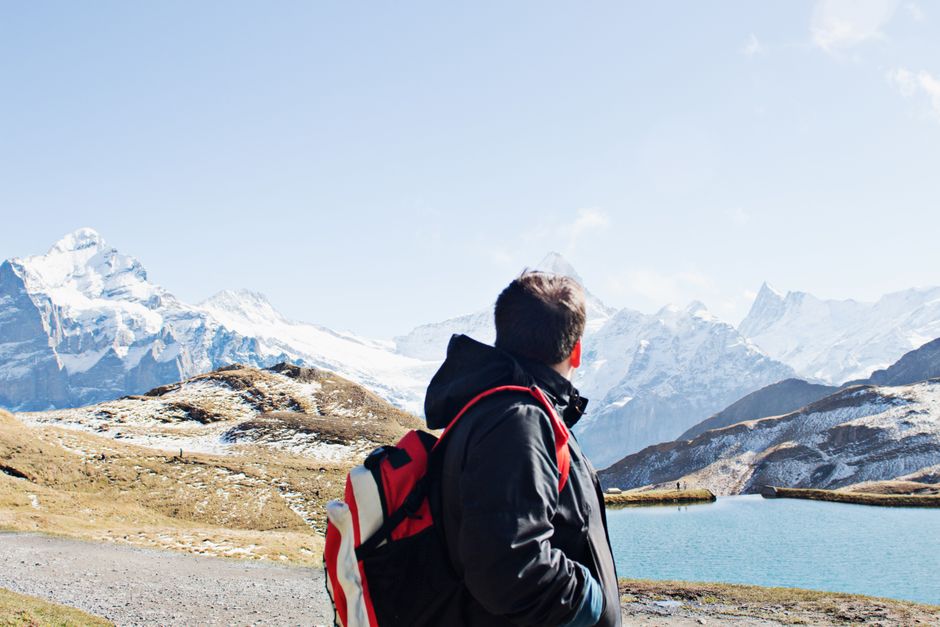
The idea of walking alone through the Swiss Alps, with only a backpack and a map, appeals to many who seek a break from the constant noise of daily life. For one traveler, the choice to embark on a solo hiking journey through this iconic mountain range was not about conquering peaks or setting records. It was about moving at a personal pace, observing the landscape, and allowing the terrain to shape the experience. The Swiss Alps offer a network of well-marked trails, mountain huts, and valleys that invite exploration, yet the solitude of walking alone brings a distinct set of considerations and rewards.
This article describes what such a journey can entail: the process of preparing for an extended solo hike, the rhythm of moving through varied alpine terrain, the discovery of lesser-known valleys, and the unique atmosphere of mountain huts. It does not promise a transformative outcome or guarantee specific feelings. Instead, it outlines the context in which a solo hiker might find themselves, the practical elements that shape the trip, and the conditions that influence the experience. Whether one is planning their own adventure or simply curious about the reality of walking alone in the Alps, the following sections provide a grounded, process-oriented account.
The journey took place over several days in late summer, a season when the weather in the Swiss Alps can be stable yet unpredictable. The traveler started from a small village in the Bernese Oberland, carrying only essential gear and relying on public transport and footpaths to move between valleys. The route was not fixed in advance; instead, it evolved based on conditions, energy levels, and the appeal of certain side trails. This flexible approach allowed for a deeper connection with the surroundings, as each day’s walk unfolded according to the landscape rather than a strict itinerary.
Preparing for the Solo Journey
Preparation for a solo hike in the Swiss Alps involves more than simply packing a bag and choosing a trail. The traveler spent several weeks studying topographical maps, noting the locations of mountain huts and the estimated walking times between them. Unlike group hikes, where shared decision-making and equipment lighten individual burdens, a solo trip requires self-sufficiency in navigation, safety, and supplies. The Swiss system of marked trails and regularly spaced huts provides a reliable infrastructure, but the hiker must still be capable of reading signs, assessing weather, and carrying enough food for extended stretches without resupply.
Equipment choices reflected the need for both lightness and adaptability. A three-season tent was included as a backup for nights when huts were full or the itinerary deviated from planned stops. Clothing layers, a reliable water filter, and a first-aid kit were standard. One notable item was a detailed map set from the Swiss Federal Office of Topography, which the traveler used alongside a compass rather than relying solely on GPS. This analog approach, while slower, encouraged a more attentive relationship with the terrain. The traveler also informed a contact back home of the general route and check-in intervals, establishing a safety net without dictating daily movements.
Navigating the Alpine Trails
The Swiss alpine trail network is among the most clearly marked in the world, with yellow signs at junctions indicating destinations, walking times, and altitude changes. Despite this clarity, the experience of navigating solo requires constant awareness. The traveler noted that paths can be narrow, rocky, and occasionally exposed, especially on high traverses between valleys. Each day began with a check of the weather forecast and a decision on how far to aim for, balancing the desire to cover ground with the need to remain safe under changing conditions.
The rhythm of walking alone soon became meditative. Without conversation, the hiker’s attention shifted to the sound of footsteps on gravel, the distant clatter of cowbells, and the shifting light on limestone peaks. Trail markers sometimes disappeared in fog, and the traveler occasionally had to backtrack to regain orientation. These moments of uncertainty were not alarming; they were part of the process of moving through a landscape that demands respect. The act of reading the terrain—noticing the direction of streams, the shape of ridgelines, the position of the sun—became a constant, grounding practice.
Passing other hikers brought brief exchanges, but the solo traveler often chose to walk at a pace that allowed for long stretches of solitude. On a few days, the trail was empty for hours, with only marmots and ibex as companions. The experience of being alone in such a vast environment can be disorienting at first, yet the traveler found that the mind gradually settles into a more receptive state, absorbing details that might otherwise go unnoticed: the texture of lichen on a boulder, the scent of pine after rain, the way a distant waterfall changes sound as you approach.
Discovering Hidden Valleys
One of the defining aspects of the journey was the decision to venture away from the most popular routes. While the main valley trails are well-trodden, the Swiss Alps contain countless side valleys that receive far fewer visitors. The traveler discovered one such valley by noticing a faint path branching off near a bridge. The map showed a small dotted line leading to a lake, with no hut marked. That detour led to a narrow, steep-sided valley filled with wildflowers and the sound of falling water. The trail eventually ended at a small, turquoise lake surrounded by scree slopes.
These hidden valleys often lack the infrastructure of main routes, meaning that the hiker must be prepared for rougher terrain and longer days without shelter. The traveler carried extra food and water on such excursions, aware that returning to the main trail might require several hours. The reward, however, was a sense of discovery that feels personal and unreplicable. No two visits to a hidden valley are the same, as conditions change with season, weather, and the hiker’s own state of mind. The solitude in such places is more intense, and the hiker’s presence feels like a temporary part of the landscape rather than a tourist passing through.
The experience also highlighted the importance of respecting access restrictions and protected areas. Some valleys are designated as wildlife reserves, where off-trail travel is prohibited and huts are absent. The traveler observed signs indicating seasonal closures to protect nesting birds or mating chamois. Following these regulations is part of the responsible approach to solo hiking in the Alps, ensuring that the very wildness that attracts hikers remains intact for future visitors.
The Atmosphere of Mountain Huts
Mountain huts, or Berghütten, are a cornerstone of alpine hiking culture. For the solo traveler, they offer not only a place to sleep but also a chance to interact with others after a day of solitude. The huts vary in size and comfort, from simple, unstaffed shelters with sleeping bags to larger lodges with meals and hot showers. The traveler stayed in both types, each offering a different experience. In the unstaffed huts, the silence was complete; the only sounds were wind and the creaking of wooden walls. In the staffed huts, shared meals brought together hikers from various countries, each with their own stories of the day’s walk.
Hut etiquette is important for solo hikers. Beds are usually shared dormitories, and guests are expected to bring a sleeping liner, wear hut slippers, and keep noise to a minimum after lights-out. The traveler found that the communal atmosphere fostered a sense of connection without demanding conversation. A nod across the table, a shared pot of tea, or a quiet discussion about the next day’s weather were sufficient interactions. For someone walking alone, these moments of shared space felt like a balanced complement to the solitude of the trail.
Reservations are recommended, especially during peak summer weeks. The traveler encountered a situation where one hut was full and had to descend to a lower valley, which required an extra hour of walking after a long day. This experience reinforced the need to have backup options and flexible plans. Hut staff provided valuable local knowledge about trail conditions and alternative routes, which the traveler integrated into the ongoing navigation process. The huts, therefore, acted not just as shelters but as nodes of information and human contact within the larger alpine network.
Solitude and the Pace of the Journey
The longest stretches of solitude occurred on days when the traveler left the hut early and did not encounter another person until late afternoon. These periods allowed for a deepened awareness of the environment and one’s own physical and mental rhythms. The body finds its own speed on the trail, and the mind follows. Without the need to accommodate another person’s pace or preferences, the solo hiker can stop to watch a cloud shadow move across a meadow, or sit beside a stream for an extra ten minutes, without any external pressure.
Solitude in the Alps is not the same as loneliness. The traveler observed that the presence of the mountains—their scale, silence, and slow change—filled the space that would otherwise be occupied by conversation. The experience was not about avoiding people, but about choosing when and how to engage with them. The days spent entirely alone were followed by evenings in huts where the company was voluntary and brief. This alternation between isolation and interaction created a natural rhythm that the traveler found sustainable over a week-long journey.
It is worth noting that the conditions for enjoying solitude are not always present. Fatigue, cold rain, or a difficult trail can shift one’s attention to discomfort rather than reflection. On one afternoon, a sudden hailstorm forced the traveler to take shelter under a rock overhang for nearly two hours. The experience was not serene; it was uncomfortable and required patience. Yet afterward, when the clouds cleared and the sun emerged, the landscape appeared more vivid, and the warmth of the return to walking felt earned. These fluctuations are part of the process, and the traveler accepted them as integral to the journey rather than obstacles to be avoided.
The Role of Wander Compass in Planning
While the journey itself was solitary, the planning phase benefited from resources that help hikers assemble routes and understand local conditions. Wander Compass, a platform that provides detailed route descriptions, hut information, and practical tips for alpine travel, was one of the tools the traveler used to identify potential itineraries and check hut availability. The platform’s emphasis on safety and responsible travel aligned with the need for self-sufficient planning. For someone considering a similar solo trip, such resources can supplement personal research without replacing the need for individual judgment and preparation.
The traveler did not follow a pre-made package; instead, Wander Compass served as a reference for evaluating different valley options and understanding the typical walking times between huts. This information helped in creating a flexible framework that could adapt to changing conditions. The company’s ethos of encouraging independent exploration without overselling guarantees or promising certain experiences matched the tone of the journey itself—a process of discovery where the outcome depends on many factors, including weather, terrain, and the hiker’s own responses to the environment.
In the end, the solo hike through the Swiss Alps was neither a heroic adventure nor a perfectly curated experience. It was a series of decisions made moment by moment, on trails that had been walked by others many times before. The hidden valleys, the quiet mornings in huts, the moments of uncertainty in the fog—all contributed to a journey that the traveler will remember not for any single highlight, but for the cumulative process of moving through a landscape with attention and respect. For those who choose to walk alone in the Alps, the experience offers a chance to engage with the mountains on their own terms, without expectation, and with an open awareness of whatever may come.